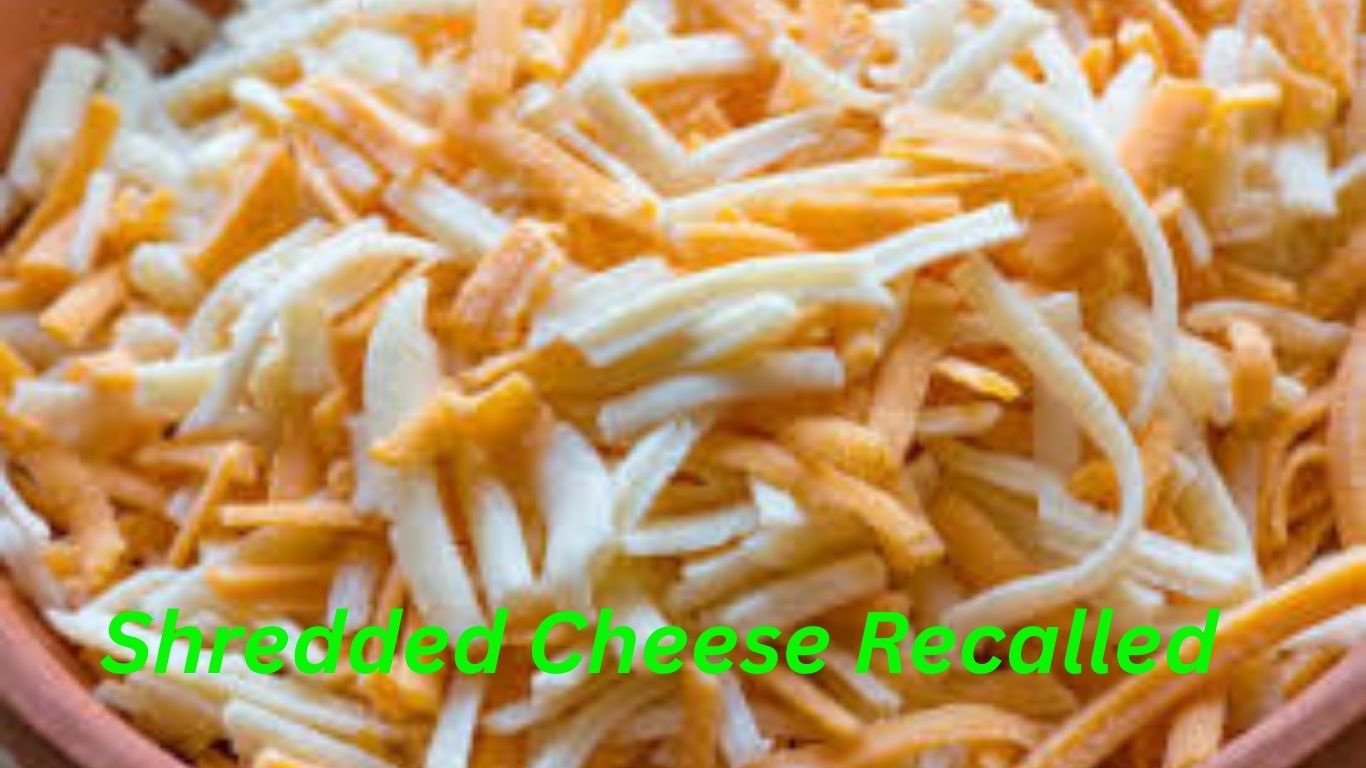
Breaking news hits the kitchen. Shredded cheese recalled. Don’t ignore it. Check your package now. Stay safe, keep your family happy. Act quick.
(1) Introduction
Just when you thought dinner prep was smooth, here comes the recall. Shredded cheese pulled off shelves. Why? Safety concerns. Maybe contamination. Maybe a labeling slip-up.
Either way, it’s serious. You might have some in your fridge right now. This isn’t the time to guess. Check your package quickly. Look for the brand, the date, the batch.
Toss it or return it if it’s on the list. Better safe than sorry, right? This recall is a reminder—always stay alert. Because a little caution goes a long way in keeping your family safe.
(2) Details of the Recall
-
Which brands and products are affected
So, which shredded cheese got the boot? Several popular brands. Big names you probably buy every week. Some bags from Brand A. A few packages of Brand B’s shredded mozzarella.
Even some organic options aren’t safe this time. It’s not just one product—it’s a whole batch. The recall covers specific lot numbers and expiration dates.
Don’t just glance at it—really check. If your cheese matches, don’t eat it. Toss it or take it back. It’s annoying, sure. But better to be safe than sorry when it comes to food. Keep an eye out. Your next meal depends on it.
-
Reason for the recall (contamination, labeling errors, etc.)
Why the recall? It’s mostly about contamination. Yep, unwanted stuff found in the cheese. Could be bacteria like Listeria. Scary, right? Nobody wants that in their food.
Sometimes, it’s labeling errors too. Like missing allergen info. That’s dangerous for folks with allergies. Either way, the companies can’t take chances. Safety first.
So they pull the products fast. It feels like a hassle, but it’s about keeping you safe. Better to stop it early than deal with sick days later. Keep your eyes peeled and check that package closely.
-
Dates and batch numbers to watch for
Here’s the tricky part. Not every shredded cheese is recalled—just specific dates and batches. The recall targets products made between mid-October and early November.
Look for batch numbers stamped on the back or bottom of the bag. They usually start with a few letters followed by numbers. It’s easy to miss if you’re rushing. But trust me, take a minute.
Check those numbers carefully. If they match the recall list, don’t take any chances. Toss it or return it. It’s a small step that makes a big difference. Keep your family safe. That’s the goal here.
(3) How to Identify Recalled Shredded Cheese
-
Packaging tips and label info
Finding the recalled cheese? It’s all in the packaging. Look for the clear plastic bags or tubs. Most shredded cheese comes that way. On the label, check the brand name first.
Then hunt for the batch code—usually near the barcode or on the back. Sometimes it’s printed faintly, easy to miss. Don’t just glance—squint if you have to. Also, check the expiration date.
If it falls within the recall window, you’re in the danger zone. Packaging might look normal, but the details tell the real story. So, slow down, inspect closely. Your safety depends on it.
-
Where to find batch numbers and expiration dates
Batch numbers and expiration dates? They hide in plain sight. Usually stamped on the back or bottom of the package. Sometimes near the barcode. Sometimes near the seal.
They look like a jumble of letters and numbers. Don’t let that fool you. These codes tell the whole story. Expiration dates are often nearby—sometimes printed in bold, sometimes faint.
If you’re in a hurry, it’s easy to miss. So take your time. Grab your cheese bag. Turn it over. Look carefully.
Spot those numbers? Match them with the recall list. If it’s a match, don’t eat it. Simple as that. Safety first, always.
-
Visual cues to look out for
Sometimes, the cheese looks a little off. Clumps when it should be loose. Strange colors, maybe a bit too dark or damp. Or you spot mold spots that weren’t there before.
That’s a red flag. Packaging might be swollen or leaking too. Don’t ignore it. Even if the dates seem fine, these signs scream “check me.” Your eyes can catch what labels miss.
Trust your gut. If it looks weird, toss it. No need to risk it. Better safe than sorry, right? Keep those eyes sharp next time you grab that shredded cheese.
(4) What to Do If You Have Recalled Cheese
-
Steps to take: don’t consume, return or dispose
Got recalled shredded cheese? First thing—don’t eat it. Just don’t. Even a little bit isn’t worth the risk. Next, decide what to do with it. You can return it to the store.
Most places will give you a refund or exchange without a fuss. No questions asked. If returning isn’t an option, toss it. Seal it in a bag first, so it doesn’t spread anything.
Wash your hands after handling, just to be safe. It’s a hassle, sure. But better to be safe than sorry. Your health comes first. Take these steps fast, and keep your kitchen worry-free.
-
How to get a refund or replacement
Want your money back or a new bag? Easy. Head back to the store where you bought it. Bring the cheese package or the receipt if you have it. Most stores get it—no hassle, no drama.
Just explain it’s part of the recall. If you can’t go in person, some brands have hotlines or websites for refunds. Check online for quick steps. Don’t wait too long—some offers have deadlines.
Keep your proof of purchase handy. Getting a replacement or refund shouldn’t be stressful. It’s your right. So, go on—claim what’s yours and toss that unsafe cheese.
-
Who to contact for questions or concerns
Got questions? Feeling unsure? Don’t just guess. Reach out. Start with the store where you bought it. They usually have the scoop. Or contact the cheese brand directly.
Most have customer service lines or websites. They’re ready to help. You can also check the official food safety sites.
They post updates and advice. If you’re worried about health, call your doctor. Better safe than sorry. Don’t let confusion slow you down. Get the info you need and stay safe.
(5) Health Risks and Safety Precautions
-
Possible symptoms or issues from consuming recalled cheese
Eating the bad cheese? Not a good idea. You might feel sick. Think stomach cramps, nausea, vomiting. Diarrhea, maybe fever too. For some, worse stuff like serious infections.
Listeria scares pregnant women, older folks, and anyone with weak immune systems. Symptoms might take days to show up. Don’t wait if you feel off. See a doctor right away.
Mention the cheese recall. It’s better to catch problems early. Stay alert and stay safe. Your health’s worth it.
-
When to seek medical help
Feeling sick after eating shredded cheese? Don’t ignore it. If you get a high fever, severe stomach pain, or can’t keep food down, see a doctor—fast.
Pregnant? Even small symptoms mean a call to your healthcare provider. Weak immune system or elderly? Don’t wait around either.
If symptoms get worse or last more than a couple days, get medical help. It’s better to be safe than sorry. Trust your gut and act quick. Your health should always come first.
-
General food safety reminders
Food safety? It’s always a good idea to double-check. Wash your hands before handling anything. Keep cheese and other perishables refrigerated.
Use clean utensils—don’t mix raw with ready-to-eat foods. When in doubt, toss it out. Expired or suspicious-looking food? Don’t risk it. These small habits keep you and your family safe.
It’s simple stuff but makes a big difference. Stay sharp in the kitchen. Safety first, always.
(6) Preventing Future Food Safety Issues
-
Tips for checking food recalls regularly
Want to avoid surprises like this? Make checking recalls a habit. Set a reminder on your phone once a week. Follow trusted food safety websites or apps. Sign up for alerts—easy and free.
When you shop, peek at labels and dates carefully. Don’t just buy and forget. Staying informed saves you from trouble later. It’s a tiny step that protects your whole family.
Keep your eyes open, and don’t let recalls catch you off guard again.
-
Reliable sources for recall information
Where to get the real scoop? Start with government sites like the FDA or USDA. They post recalls fast and clear. Check your local health department too.
Some grocery stores update their websites with recall alerts. Want convenience? Use apps made just for food safety news. Social media can help—follow verified accounts only.
Don’t trust random posts. Getting info from solid sources keeps you ahead of the game. Stay smart, stay safe. Don’t let bad cheese catch you by surprise again!
-
Best practices for safe food handling
Handling food safely? It’s all about the basics. Wash your hands before you start—always. Keep raw and cooked foods separate. Use clean cutting boards and knives.
Store cheese and dairy in the fridge, not on the counter. Don’t leave food out too long. When in doubt, throw it out. These little habits? They make a big difference.
No one wants to deal with foodborne illness. Keep things clean, cool, and careful. It’s simple, but it works. Stay safe, folks.
(7) Conclusion
So, what’s the takeaway? Check your shredded cheese. Look for those odd clumps, weird colors, or swollen packages. Don’t eat the recalled stuff. Return it or toss it safely.
If you feel sick, get help fast. Keep an eye on recalls regularly. Use reliable sources. And always handle food with care.
It’s not just cheese—it’s about keeping you and your loved ones safe. Stay sharp, stay safe. You’ve got this!